Shiva Nataraja: the cosmic dance of the universe
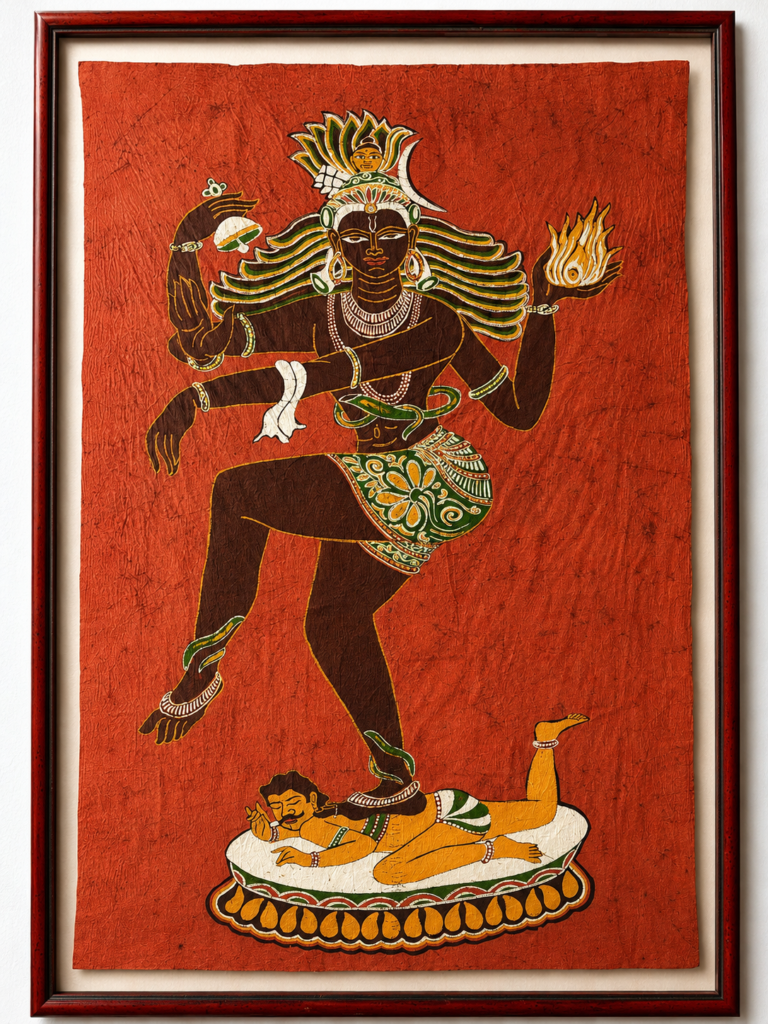
I have a very special affection for this image. I bought it with 27 years in Darjeeling (India), the city famous for producing one of the most appreciated teas in the world. It cost me 10 dollars, an amount that then seemed like a real luxury to me. I never imagined that that purchase would accompany me for decades, going through with me through all my moves, consultations, projects and businesses. Today it occupies a prominent place in the Museum of Religions and it continues to remind me of that trip that changed my way of looking at the world.
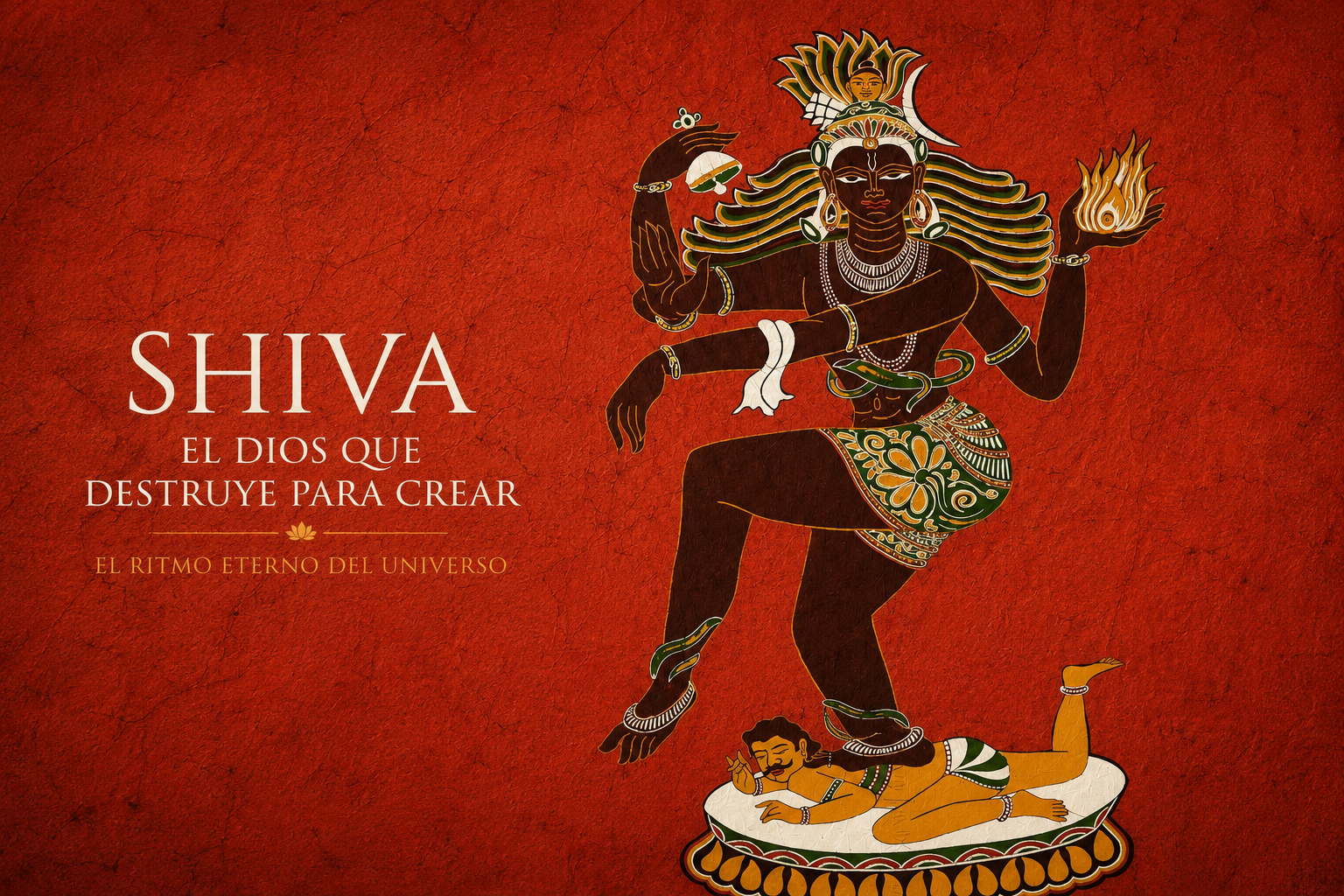
We are facing one of the most fascinating representations of Hinduism: Shiva Nataraja, “The Lord of the Dance”. We are not simply before a God who dances, but before a profound philosophical reflection on the functioning of the universe and on human existence itself.
It must be remembered that this is only one of the many ways in which Shiva can manifest itself. In the Hindu tradition it represents, at the same time, the creation and destruction, the stillness and the movement, the masculine and the feminine, death and the Renaissance. Opposites coexist in it, not as opposing forces, but as inseparable aspects of the same reality.
the dance of the universe
For Hinduism, the universe never remains motionless. Everything constantly changes: we are born, we grow, we grow old and we die; The stars are born and disappear; Civilizations flourish and end. Shiva expresses this truth through a sacred dance known as Tandava.
His dance does not represent chaos, but the deep order of the cosmos. The destruction that Shiva embodies should not be understood as an act of violence, but as the necessary condition for a new creation to emerge. Just as autumn prepares the birth of spring, every transformation implies the end of something so that something else can begin.
It is no coincidence that some contemporary thinkers have seen in this image a surprising parallel with modern physics. the physicist Fritjof Capra, for example, he compared the dance of Shiva with the continuous movement of matter and the energy described by quantum physics, making it one of the most suggestive symbols of the dialogue between science and spirituality.
The meaning of their attributes
Each element of the image has a deep symbolism.
- The flame It represents the power of destruction and transformation. Everything that has completed its cycle must disappear to make room for the new.
- the raised hand, in the gesture known as Abhaya Mudra, transmits protection and serenity. It is an invitation not to fear change.
- The dance movement It symbolizes the energy that keeps the universe alive. Nothing remains motionless; All existence is a continuous becoming.
- the snakes They represent vital energy, spiritual power, and dominion over fear and death.
- Extended hair It reflects the immense force released during the cosmic dance.
The character under his feet
One of the most striking aspects of this representation is the figure on which Shiva rests one of his feet.
That character symbolizes spiritual ignorance, the ego and the illusion that prevent the human being from understanding the true nature of reality. In the Hindu tradition, he usually identify with the devil Apasmara, whose name means “forgetfulness” or “ignorance”.
It is not about crushing a person, but about showing that knowledge and conscience can only arise when we manage to overcome the ignorance and deception of the ego.
a universal teaching
Although this image belongs to Hinduism, its message is surprisingly universal.
We all experience losses, changes and transformations. We often cling to people, ideas or stages that have already finished, generating unnecessary suffering. Shiva reminds us that change is not the enemy; It is the very essence of life.
Destroying an old identity can be the first step in building a new one. Abandoning old beliefs, relationships or ways of living is not always a failure. Quite the contrary, it is usually the beginning of a deeper transformation.
Perhaps that is why this image has remained with me for more than thirty years. Every time I look at it, it reminds me that everything changes, that nothing remains forever and that, behind each ending, there is always the possibility of a new beginning.
Piece of the Museum of Religions
Title: Shiva Nataraja (The Lord of the Dance)
Origin: Darjeeling, India
Religion: Hinduism
Meaning: Shiva’s cosmic dance symbolizes the eternal cycle of creation, conservation, destruction and renewal of the universe, reminding us that change is not a threat, but the necessary condition for life to exist.