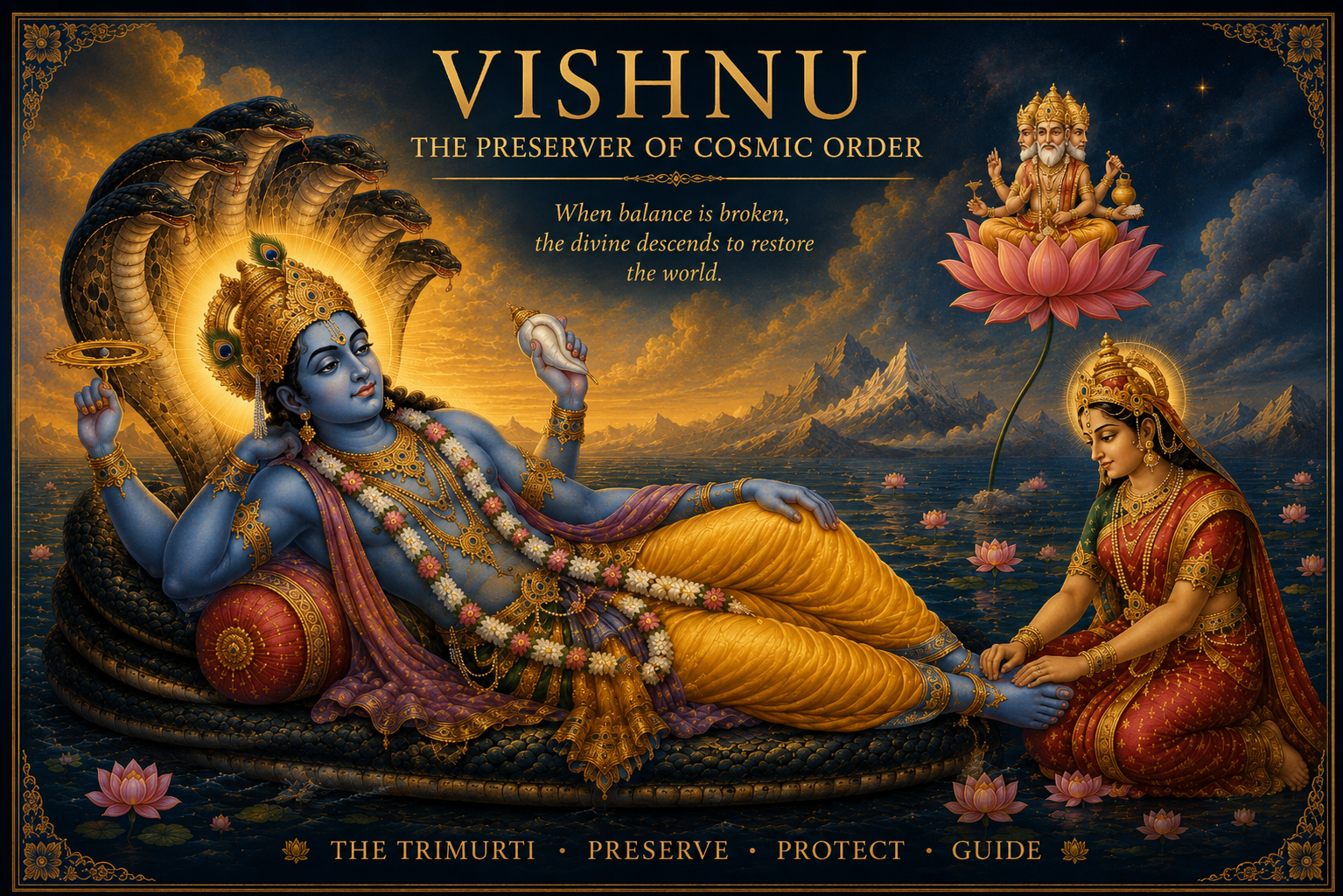
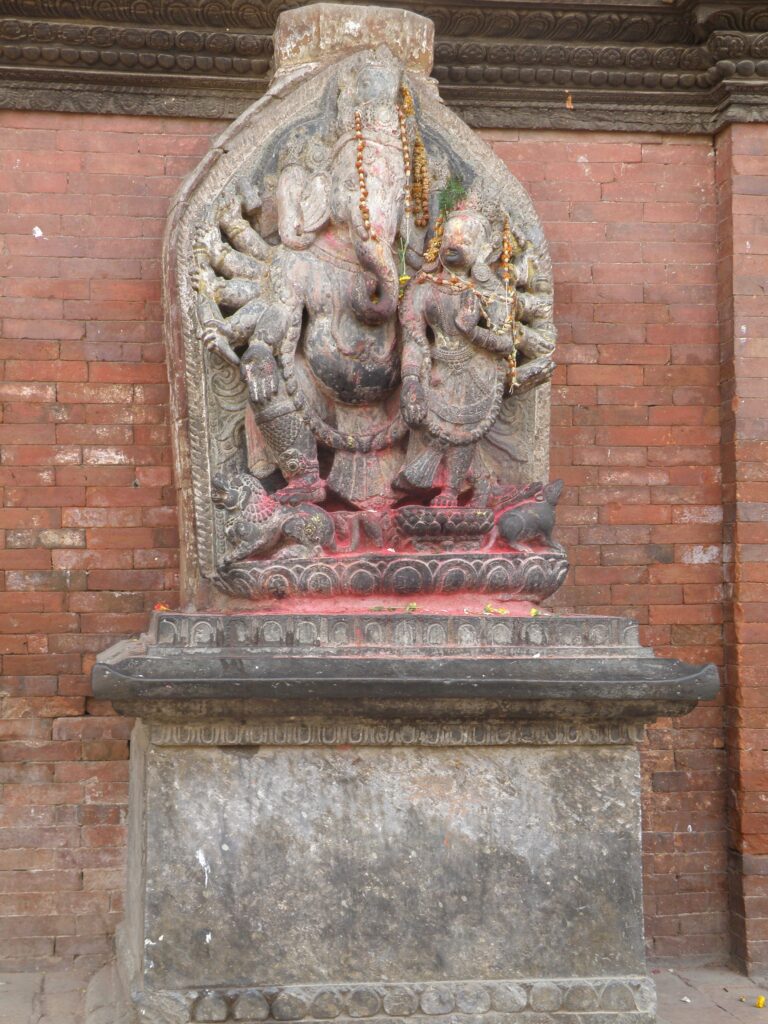
VISHNU: THE GOD WHO TRIES TO PRESERVE THE WORLD
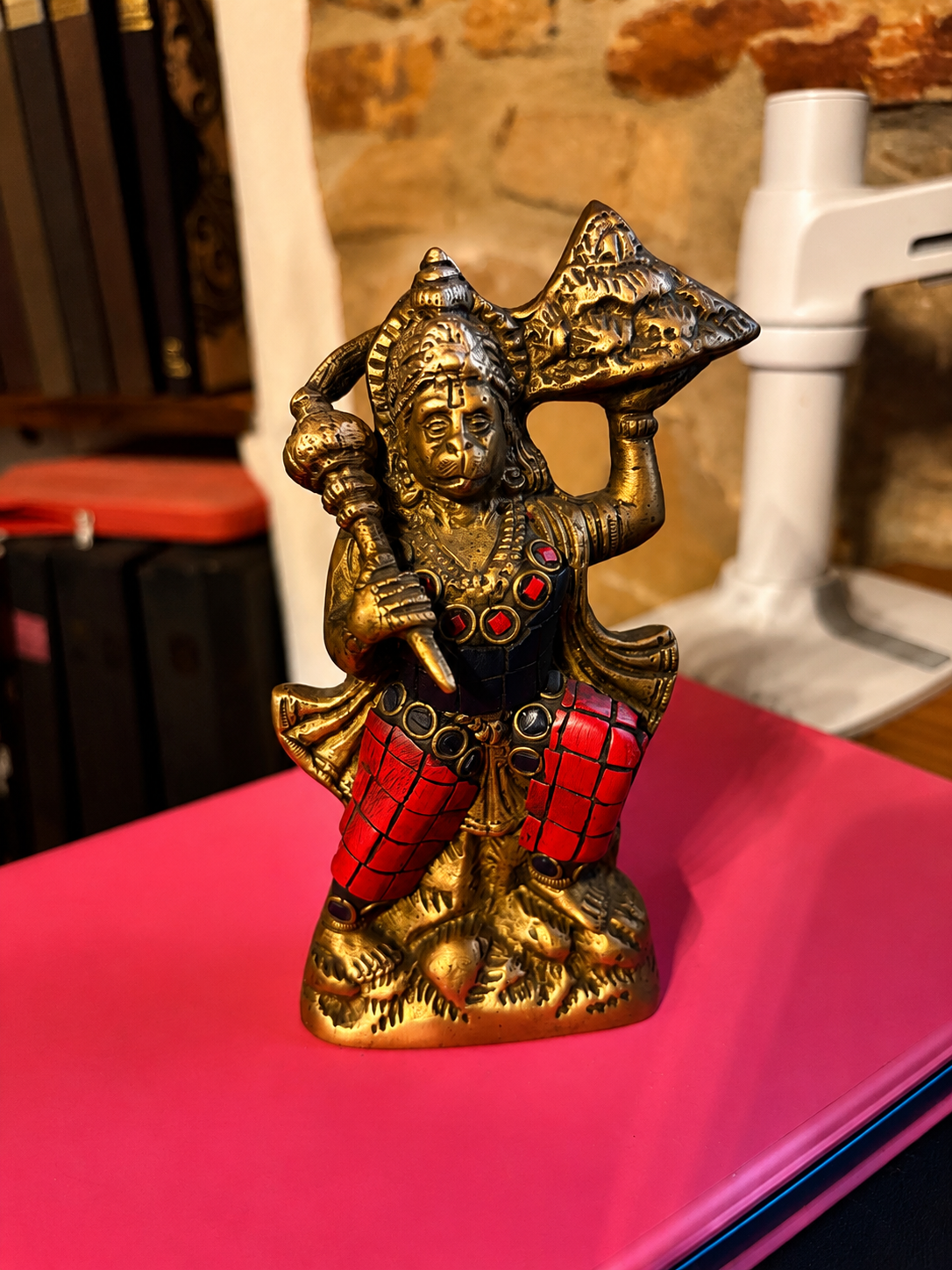
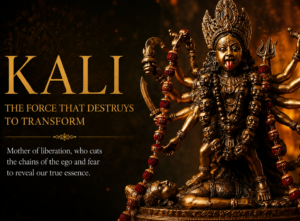
I traveled to India twice. On one of those trips, I crossed practically the entire north of the country, from the border with Pakistan to Calcutta, catching endless train rides and watching the landscape, the cities, and the people change before my eyes. I especially remember the feeling of traveling from the paradise of the Himalayas to the hell of Calcutta. I don't use these words as a religious description, but as a memory of two worlds that, for me, seemed to be at opposite ends of the human spectrum. In the north, I had known the silence of the mountains, the temples, the cold air, and a sense of immensity difficult to explain. Then, the trains slowly descended toward the great plains of India. And finally, I arrived in Calcutta. The heat. The humidity. The noise. The bodies. The poverty. Life overflowing everywhere. I had never seen anything like it. And yet, throughout that entire journey, something appeared again and again: the gods.They were in the temples, in the houses, on small shrines by the roadside. Painted on walls. Hanging on trains. In markets. On car dashboards. Brahma, Vishnu, Shiva, Krishna, Rama, Ganesha, Kali… When I first began to explore Hinduism, one of the hardest things for me to grasp was precisely that apparent multitude of gods. From our Western perspective, it's tempting to imagine a vast pantheon of independent deities. But the more I traveled through India and the more I tried to understand its symbols, the more evident it became that things were far more complex. Perhaps my mistake was trying to understand India with too Western a way of thinking. We tend to separate. A god is a god. A person is a person. A thing is a thing. But Hinduism seemed to constantly tell me something different: multiplicity can also be a manifestation of the One. And one of the ideas that helped me begin to understand that immense universe of gods was the Trimurti.
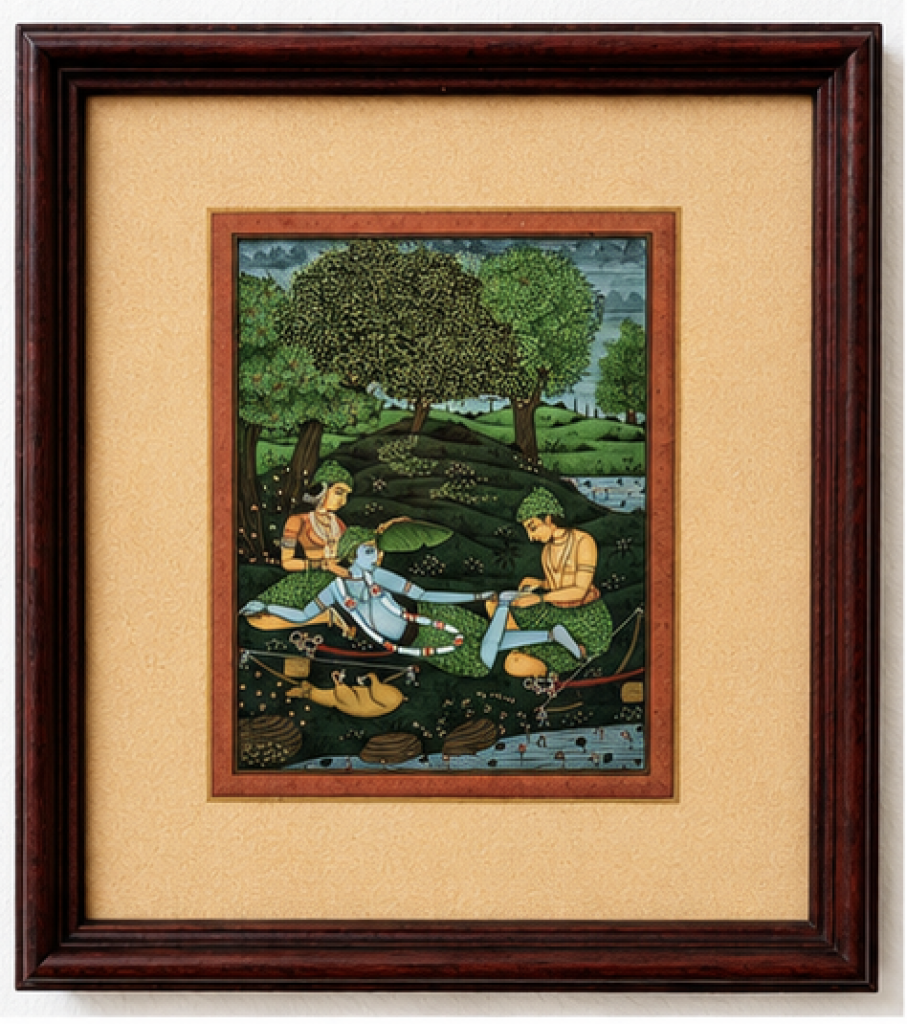
KRISHNA: FROM THE PASTORES OF VRINDAVAN TO THE BHAGAVAD GITA
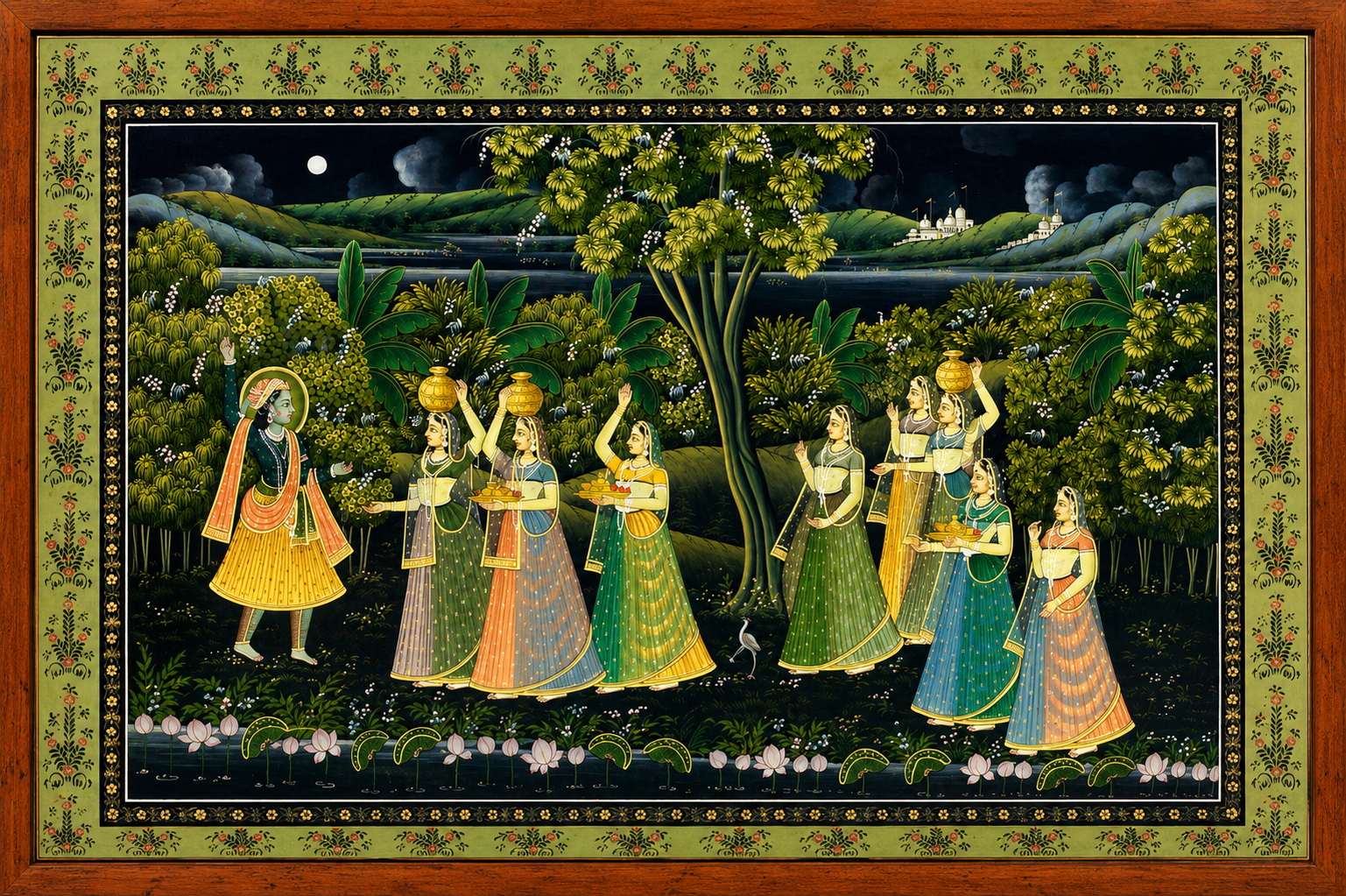
RAMA: THE AVATAR OF DUTY