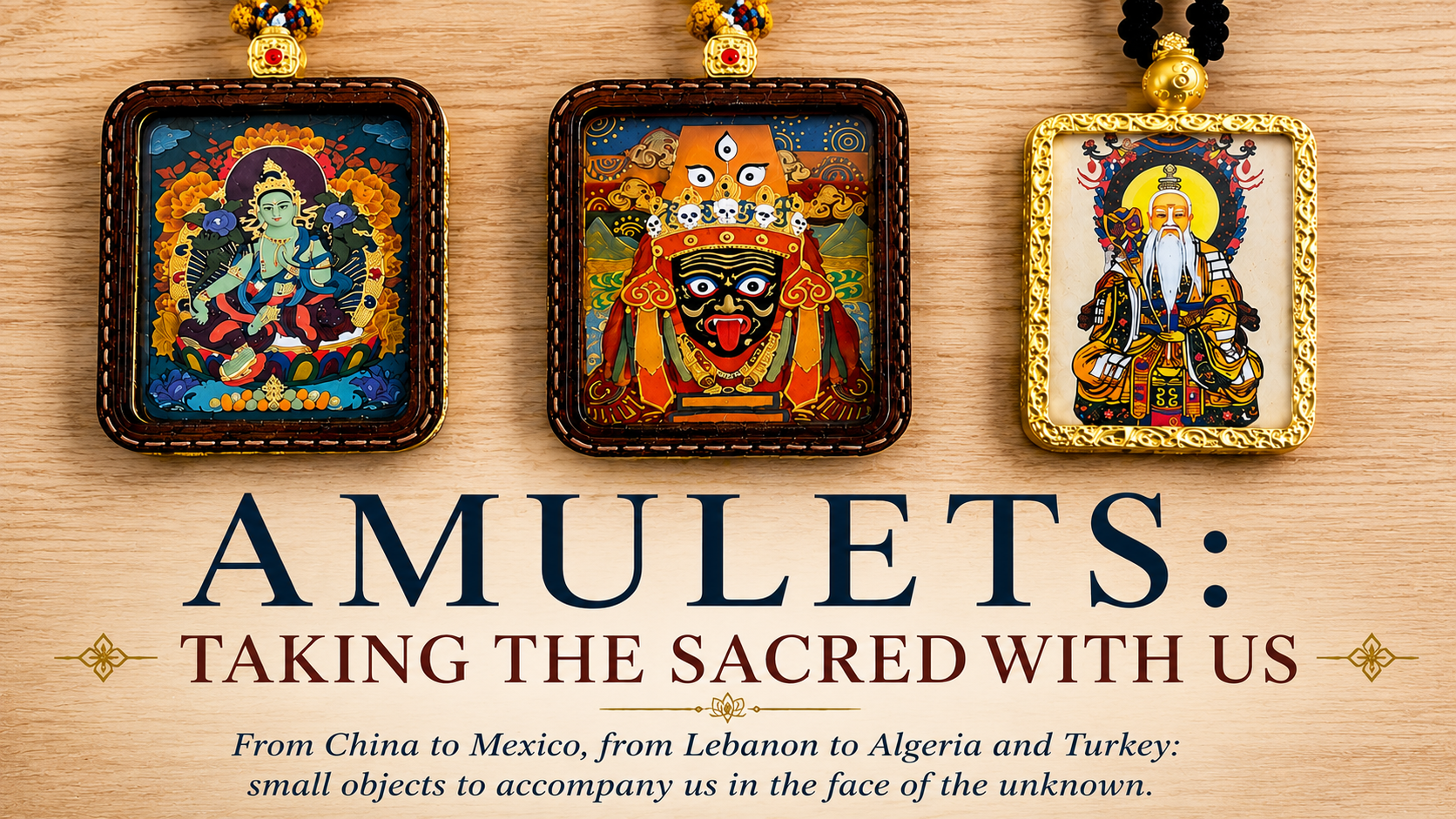
AMULETS: CARRYING THE SACRED WITH US
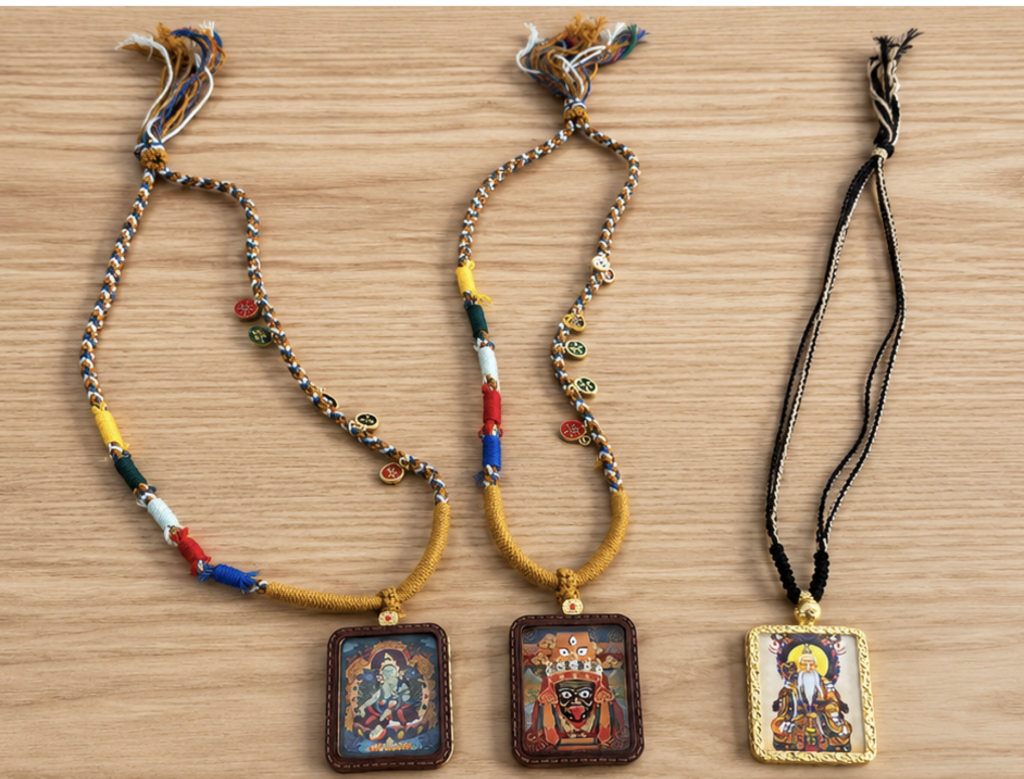
I found these small amulets in China. The first two came from a night market in Beijing; the third, from the Taoist mountains of Yunnan. Sacred images designed to be worn close to the body: gods, protectors and masters who leave the temple to accompany us on our journey.
During my travels, I have bought many images of gods. Some were large sculptures intended to occupy a place in a temple, a home or, eventually, in this museum.But I have also collected much smaller objects.Objects that fit in the palm of a hand. That can be worn around the neck. Kept in a pocket or placed near a doorway.Objects that travel with us.Amulets.I have found them in Morocco, Algeria, Lebanon and Turkey. Also in India, China and Indonesia. In Mexico, I found fantastic creatures bursting with colour. And in Cuba, necklaces linked to religious traditions that had crossed the Atlantic from Africa.Cultures separated by thousands of miles. Different gods. Different religions.And yet, a surprisingly similar idea.The need to feel that there is something greater than ourselves capable of protecting us.Perhaps this is one of the oldest religious experiences of humankind.When we fall ill. When we set out on a journey. When a child is born. When we fear losing someone. When we face forces we do not understand or, quite simply, when we realise that we cannot control everything that happens in our lives.Then we seek protection.Sometimes we build a temple.Sometimes we pray.And sometimes we do something much simpler: we take a small object and carry it close to our body.An open hand. An eye. A stone. The image of a god. A protective animal. A necklace of beads.The object changes.The gods change. The names change.But perhaps human fear is not so different.And perhaps neither is our need to feel that, faced with the vastness of the unknown, there is something greater than ourselves that can accompany us and protect us.
THE ALEBRIJE: BETWEEN THIS WORLD AND THE OTHER
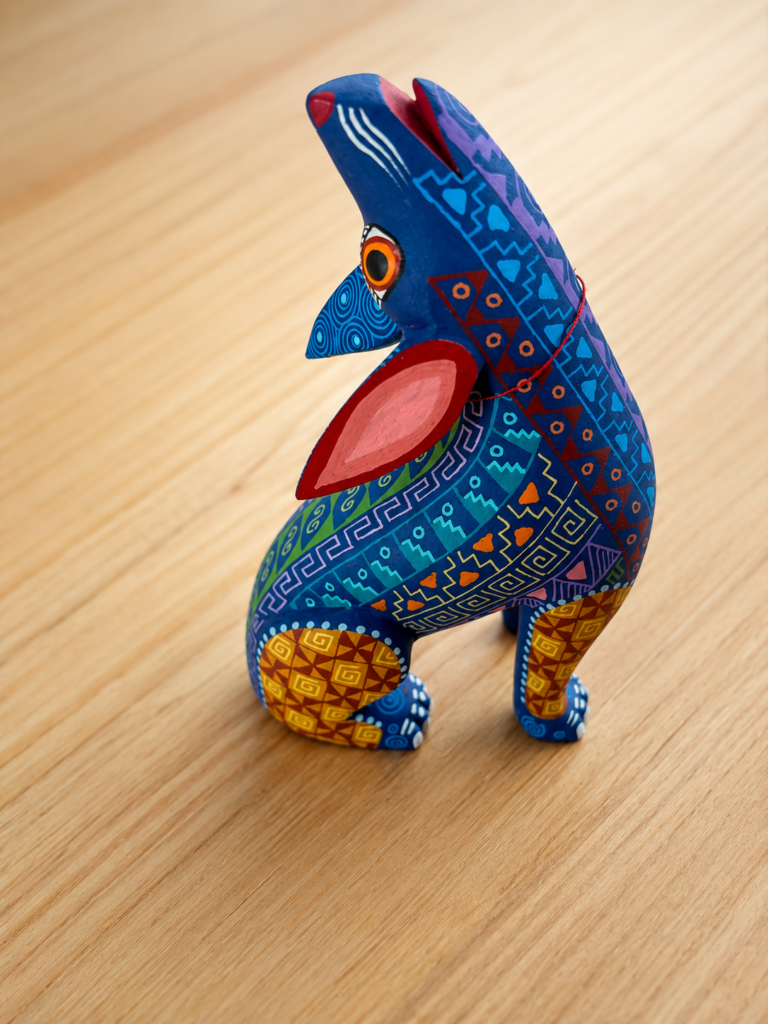
This alebrije was a gift from a good Mexican friend who knows well my fascination with everything spiritual and sacred.I have travelled to Mexico many times, and yet it never ceases to surprise me. Its colours, its imagery, its celebrations, the way death continually appears alongside life.There is something about Mexican culture that has always fascinated me: the boundary between this world and the other seems far more permeable.This relationship has some of its roots in the ancient Mesoamerican cultures, including the Mexica, and later encountered and blended with the Christianity brought by the Spanish. The result is a way of imagining death, spirits and the afterlife that can still be seen today in the streets, in homes and, most visibly, during the Day of the Dead.Strictly speaking, my alebrije is not a traditional amulet. Alebrijes are fantastical creatures born from modern Mexican folk art.But when I look at it, I cannot help connecting it with that ancient human need to give form to the beings that inhabit the space between the visible and the invisible.Perhaps that is why my friend thought of me when she chose it.And perhaps that is why it ended up in this museum.Because some cultures build walls between this world and the other. Mexico, by contrast, seems always to have left a door slightly open.
THE HAND OF FATIMA: THE HAND THAT PROTECTS
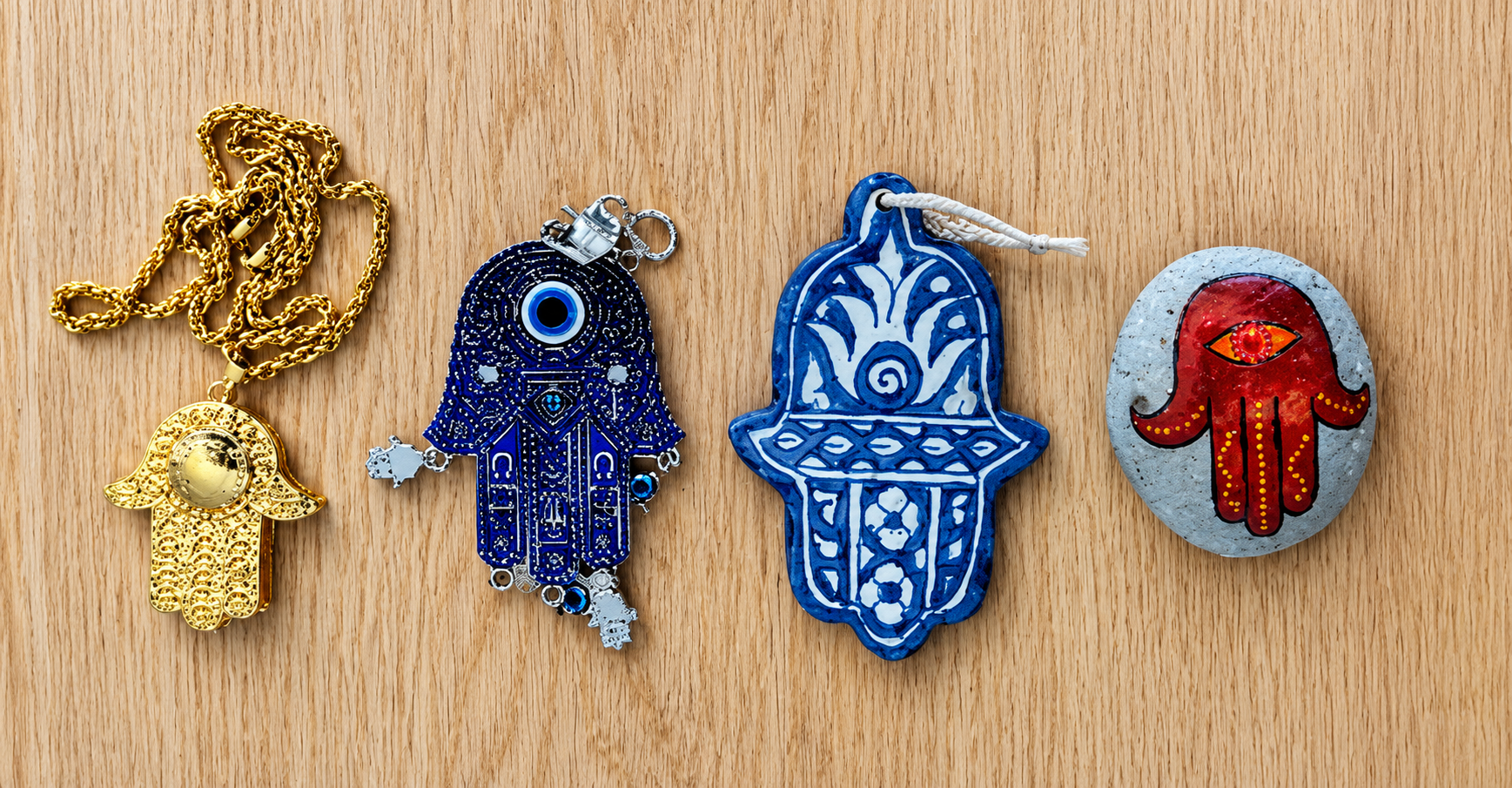
I think my fascination with the Hand of Fatima began long before I truly understood what it meant.I first discovered it on my first journey to Morocco. I was twenty years old and still very far from imagining that one day I would bring together religious objects from half the world in a museum.I remember asking about those hands I kept seeing on pendants and small objects. I was told that they were used as protection against the evil eye and that, in particular, they were often placed on children to protect them from harmful gazes, envy and negative influences.I do not know why, but the idea fascinated me.An open hand capable of stopping evil.Over the years, I came across it again and again. The pieces in my collection were bought in Turkey, Lebanon and Algeria.And gradually I began to understand that its history was far more complex than what I had been told on that first journey.The hamsa —the word is associated with the number five in Arabic— belongs to an ancient Mediterranean and North African world of protection against the evil eye. It also appears in Jewish tradition, where it is often known as the Hand of Miriam, and was adopted in Muslim contexts as the Hand of Fatima.Perhaps this is precisely what I love most about it.For centuries, Morocco was home to important Jewish communities living alongside the Muslim majority. Symbols, beliefs and popular customs met, blended and travelled from one community to another.An ancient North African heritage, intertwined with Judaism and later reinterpreted within the Muslim world.The first time I saw one, I was twenty years old and knew nothing of its history. I simply remember loving the idea that a small hand could protect a child from things we cannot see.I could never have imagined that, over time, such amulets would be rejected as heretical by some Muslim fundamentalists, who consider any protective power attributed to an object incompatible with faith in God alone.And perhaps this is precisely the idea behind my museum: a place where religions, beliefs and different spiritual sensibilities can meet.Not to decide which one possesses the truth.But to understand why, for thousands of years, human beings have continued to search for the sacred —and for something that might protect them from what they cannot control.
THE GODS WHO CROSSED THE ATLANTIC
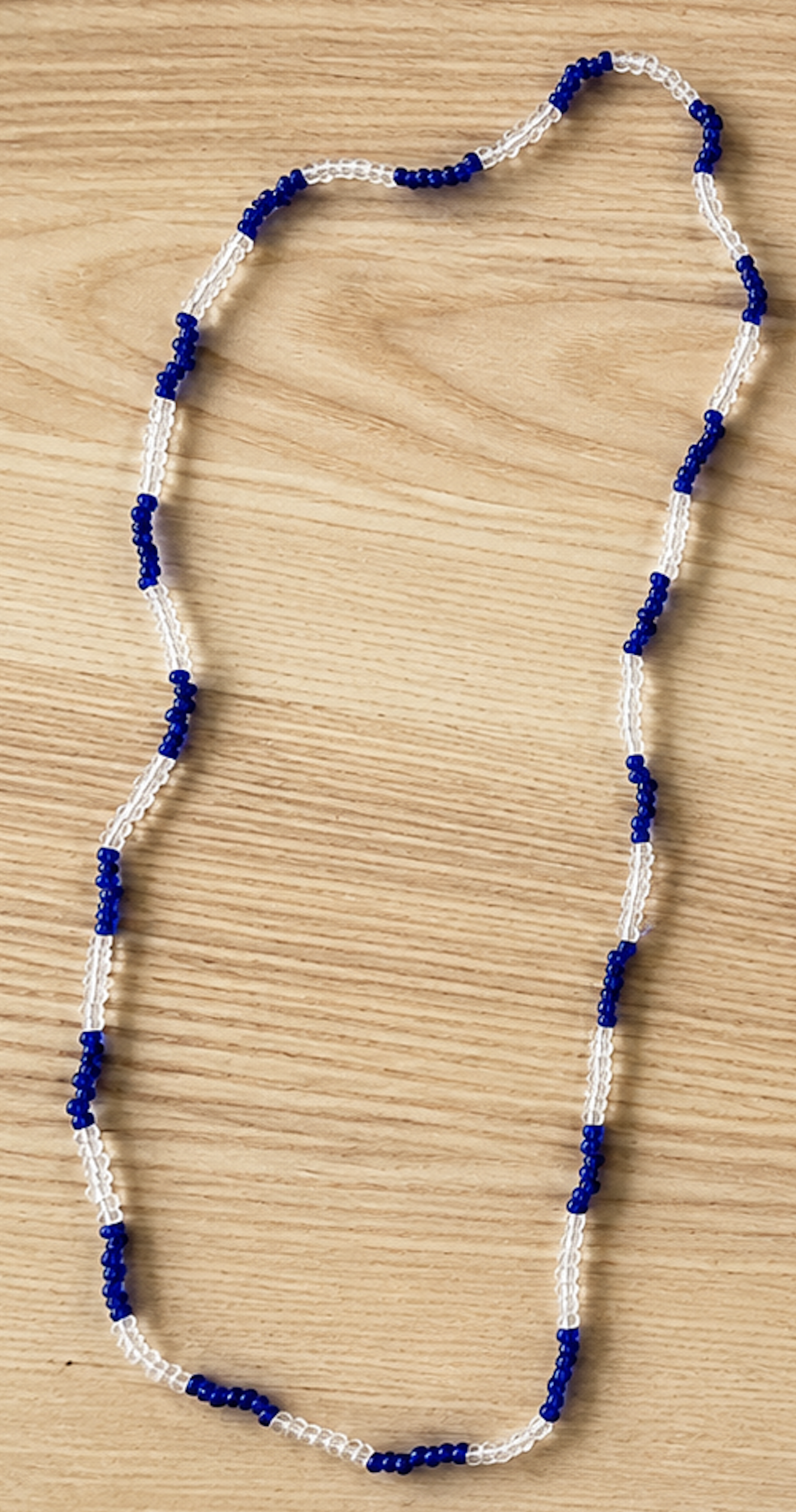
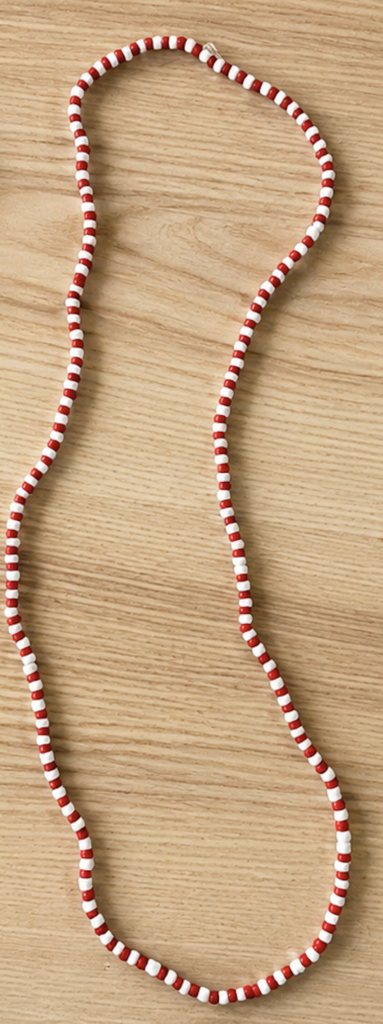
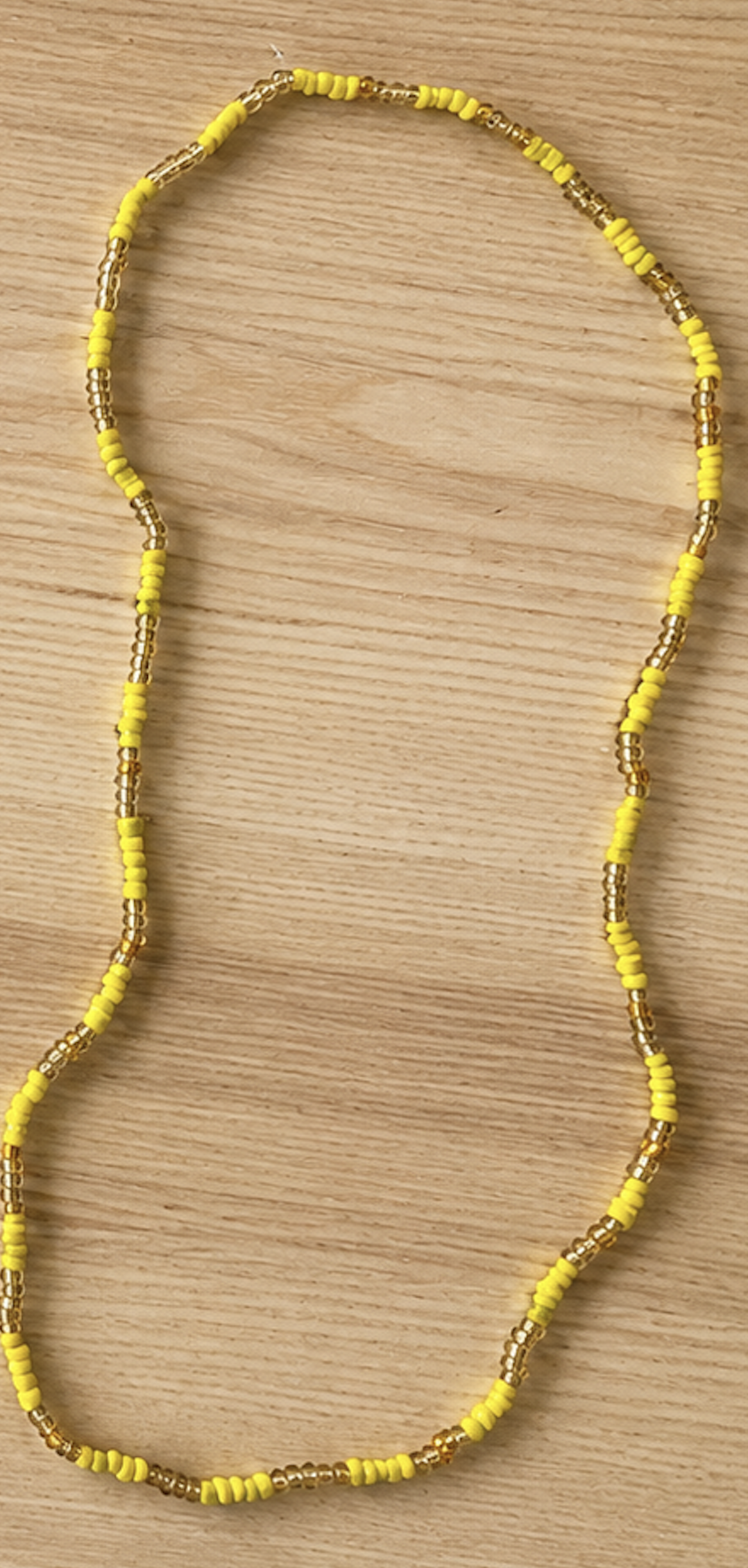
I bought these three necklaces in Havana. They are elekes, beaded necklaces associated with the orishas of the Afro-Cuban religious tradition.They are not simply decorative objects. Within the Regla de Ocha, or Lucumí tradition, the colours and sequences of the beads identify the orishas and create a ritual bond with them. Afro-Cuban religion developed in Cuba from Yoruba traditions brought from Africa and their historical encounter with Catholicism.The blue and white necklace belongs to Yemayá, lady of the sea and the waters, associated with motherhood and the origins of life. In Cuba, she also became associated with the Virgin of Regla and with Havana’s maritime world. Her traditional necklace combines blue and transparent or white beads, evoking the water and foam of the sea.The red and white necklace belongs to Changó, orisha of thunder, lightning, fire and power. His necklaces alternate these two colours. He is a figure of strength, authority and command: a deity feared for his destructive power and revered for his courage and might.The third necklace, yellow and gold, appears to belong to Ochún, the orisha associated with fresh water, love and fertility.What fascinates me is that these tiny beads actually tell the story of an immense journey.The African gods crossed the Atlantic with those who were torn from their homeland.In Cuba, some of their names changed. They encountered Christian saints and learned to speak a new religious language.But they survived.And even today, they can still be worn around the neck.Sometimes an amulet does more than protect us. It also preserves the memory of a people.